


Thermal Baths vs. Mineral Pools in Austria: The Ultimate Comparison for Recovery
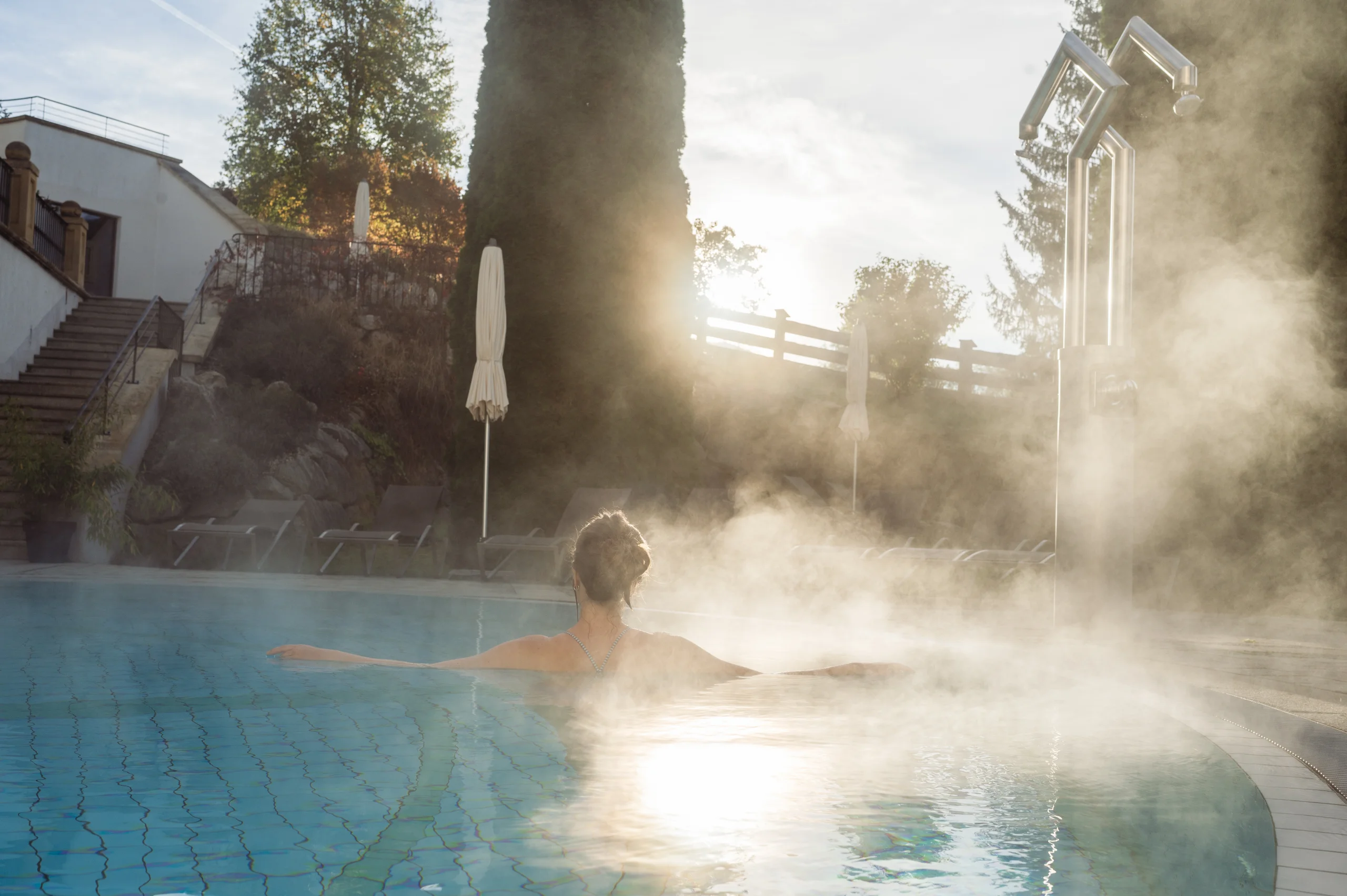
Thermal Bath or Mineral Pool? A Comparison in Austria
Thermal Bath or Mineral Pool? A Comparison in Austria
Thermal baths and mineral pools are often used interchangeably in Austria, but they differ significantly in both composition and benefits. Thermal water rises naturally from deep geological layers and is heated by geothermal energy, whereas mineral pools use water that is intentionally enriched with carefully balanced minerals. For recovery after sports or skiing in the Alps, choosing the right option can make a noticeable difference.
In alpine destinations such as Tyrol and Kitzbühel, both water concepts play an important role in modern spa experiences. Premium wellness hotels such as Schlosshotel Kitzbühel intentionally distinguish between these two approaches to meet different guest needs.
In a Nutshell
Thermal baths promote relaxation and circulation through naturally heated, mineral-rich water sourced from deep underground. Mineral pools rely on precisely controlled mineral compositions designed to support skin health, circulation, and post-exercise recovery. Both contribute to regeneration—but in different ways.
What Is a Thermal Bath in Austria?
A thermal bath is supplied with geothermally heated water that naturally rises from deep underground. The water contains naturally occurring minerals such as sulfur, calcium, and magnesium. Thermal springs have long been an integral part of Austria's health and wellness culture.
Typical Characteristics
- Naturally heated water, typically between 20°C and 40°C
- High natural mineral content
- Relaxing effect on muscles
- Improved blood circulation
Learn more about the region:
- Kitzbühel
- Kitzbühel Tourism
What Is a Mineral Pool?
Mineral pools represent a modern spa concept in which water is enriched with carefully selected minerals. Unlike thermal water, the mineral composition is precisely controlled and remains consistent.
Key Features
- Defined mineral profiles
- Hygienically optimized water systems
- Flexible temperature control
- Ideal for athletic recovery
In the Alpine region, these concepts are commonly integrated into premium spas alongside skiing and outdoor experiences around KitzSki.
How Do Thermal Baths and Mineral Pools Really Differ?
Temperature & Water Composition
Thermal baths vary depending on the natural spring, while mineral pools are technically regulated to ensure consistently high water quality throughout the spa.
Effects on the Body
Thermal water provides deep relaxation and is often associated with relieving chronic muscle tension. Mineral pools, on the other hand, are specifically designed to enhance recovery after physical activity.
How Do Both Systems Support Recovery After Skiing?
After an intensive day on the slopes in the Kitzbühel Alps, the right type of water therapy can significantly improve recovery.
Benefits of Both Systems
- Faster muscle relaxation
- Reduced lactate buildup
- Improved blood circulation
- Enhanced mental recovery
Discover more alpine experiences:
- Experiences in Kitzbühel
- KitzSki
The Role of Hydrotherapy
Hydrotherapy combines heat, water pressure, and minerals to support recovery and relaxation. This approach is widely incorporated into modern spa concepts throughout Tyrol.
The Importance of Luxury Wellness in Kitzbühel
Kitzbühel is renowned not only as a world-class ski destination but also as an international hub for holistic wellness and recovery.
Schlosshotel Kitzbühel combines alpine lifestyle with an exclusive spa experience. Guests enjoy a unique blend of tranquility, contemporary design, and wellness treatments inspired by medical recovery principles.
Alpine Recovery at Schlosshotel Kitzbühel
The spa concept includes:
- Heat and cold therapies
- Relaxation areas with panoramic Alpine views
- Personalized recovery treatments
- Guided movement sessions after skiing
Learn more:
Which Is Better: A Thermal Bath or a Mineral Pool?
Advantages at a Glance
Thermal Baths
- Natural therapeutic properties
- Traditional wellness experience
- High concentration of naturally occurring minerals
Mineral Pools
- Consistent, controlled water quality
- Optimized for sports recovery
- Flexible operation and temperature settings
Choosing the Right Option
The best choice depends on your wellness goals:
- Relaxation → Thermal Bath
- Post-Sports Recovery → Mineral Pool
- Luxury & Variety → A Combination of Both
Why Choosing the Right Water Treatment Is Essential for Recovery
Choosing between a thermal bath and a mineral pool depends on more than just the composition of the water. The physical demands of the day, individual recovery goals, and personal preferences also play an important role. While some guests primarily seek warmth and tranquillity after an active day, others prefer a modern spa experience featuring different water areas and complementary wellness treatments.
Especially after sporting activities in the Austrian Alps, it is worth considering recovery as a holistic process. Skiing, hiking, mountain biking, and mountaineering place different demands on the body. As a result, the most suitable recovery routine can vary. A relaxing session in the water can be combined with gentle movement exercises, a massage, or an extended period of rest.
It is important to remember that not every treatment is equally suitable for everyone. A comfortable water temperature, an appropriate bathing duration, and sufficient breaks are essential for an enjoyable bathing experience. Anyone feeling exhausted after intense physical exertion should avoid particularly hot treatments and allow the body time to recover first.
Water Quality and the Maintenance of Modern Spa Facilities
Another important difference between thermal baths and mineral pools concerns water treatment requirements. Even when thermal water comes from a natural spring, its quality must be carefully monitored during operation. A natural origin does not automatically mean that the water is hygienically suitable for use by large numbers of bathers without additional measures.
Modern spa facilities therefore monitor various water parameters. These may include pH levels, disinfection conditions, temperature, and other relevant quality indicators. The measures required depend, among other factors, on the type of pool, the composition of the water, and applicable hygiene regulations.
In mineral pools, the minerals used must also be compatible with the respective water treatment system. Certain ingredients can affect water chemistry or place specific demands on the technical equipment. Professional planning and regular monitoring are therefore essential.
For guests, the technical aspects are usually not immediately visible. Nevertheless, they play a significant role in ensuring that the bathing experience remains enjoyable and that the facility operates reliably. A high-quality wellness offering is therefore defined not only by the appearance of the pool or the number of minerals it contains, but also by hygiene, maintenance, and professional supervision.
The Importance of Warmth and Rest After Physical Exertion
Warmth is one of the best-known elements of wellness culture. A warm bath can help the body relax and reduce the subjective feeling of stiffness after physical activity. At the same time, the peaceful surroundings of a spa provide an opportunity to disconnect from everyday life.
After a day on the ski slopes, muscles may be particularly challenged by repetitive movements, prolonged exertion, and the need to stabilise the body. A relaxing bathing session offers an opportunity to unwind and bring the day to a pleasant close. However, actual recovery is also influenced by other factors, particularly sleep, nutrition, hydration, and the intensity of the preceding activity.
For this reason, a thermal bath or mineral pool should not be considered the sole solution for sports-related fatigue. Instead, a visit can form part of a comprehensive recovery routine. People who exercise regularly often benefit from a balanced combination of activity, relaxation, and sufficient recovery time.
The mental aspect should not be underestimated either. A peaceful pool area, soft lighting, and a pleasant atmosphere can help guests leave everyday concerns behind for a while. Particularly during a holiday, this creates an experience in which physical relaxation and mental recovery complement each other.
Alpine Wellness as Part of a Modern Holiday
With its mountainous landscapes, Austria provides an ideal setting for combining active holidays with wellness. In winter, skiing, snowboarding, and cross-country skiing take centre stage. During the warmer months, hiking, cycling, and other outdoor activities become popular alternatives. After these experiences, peaceful retreats where guests can unwind at the end of the day become increasingly important.
Combining outdoor activity with spa relaxation caters to a variety of needs. While sporting activities allow visitors to experience the mountain landscape, pools, relaxation rooms, and other wellness facilities provide a counterbalance to physical exertion. This combination is a defining feature of many alpine wellness hotels.
Kitzbühel is a particularly interesting example, bringing together sporting tradition, alpine scenery, and high-end hospitality. Guests can tailor their stay to their preferences, alternating between active hours in the mountains and relaxing moments at their hotel.
When planning a wellness holiday, it is worth looking beyond individual facilities. The hotel's location, accessibility to leisure activities, design of relaxation areas, and variety of treatments also influence the overall experience. For example, guests who prefer not to travel far after skiing may appreciate a conveniently located spa directly within their accommodation.
Integrating Thermal Baths and Mineral Pools into Your Daily Routine
A well-planned daily routine can help guests make the most of the different facilities available in a wellness area. After physical activity, it is advisable to take a short break, drink some water, and assess how the body feels. A moderate bathing session can then follow, provided there are no health-related reasons to avoid it.
Guests who also wish to use a sauna should avoid overloading their schedule with too many treatments. Several intensive heat treatments in succession can place additional demands on the circulatory system. Rest breaks and adequate hydration are therefore important. The choice of treatments should be guided by personal comfort rather than by the desire to try as many activities as possible within a short period.
Timing also plays a role. Some guests prefer to visit the spa in the afternoon, immediately after skiing or hiking. Others prefer the early evening, once the day's activities have come to an end. There is no universally ideal time. What matters is finding a time that fits comfortably into one's personal daily routine.
Families, couples, and solo travellers may also have different priorities. While some guests value spacious pool areas and a wide range of facilities, others primarily seek tranquillity, privacy, and a relaxing atmosphere. A high-quality spa concept should accommodate as many of these different needs as possible.
What Guests Should Look for When Choosing a Wellness Hotel
When selecting a wellness hotel, it is worth examining the services on offer in greater detail. Terms such as thermal water, mineral pool, spa, and recovery are sometimes used in different ways. Guests should therefore check which facilities are actually available and which treatments are specifically offered.
Useful questions to consider include:
- Does the hotel have a thermal bath, a mineral pool, or a conventional swimming pool?
- Is information available about the origin and composition of the water?
- What temperatures are available in the different pools?
- Are relaxation areas, saunas, or massages included in the offering?
- Are specific treatments available for physically active guests?
- What are the opening hours of the spa?
- Is information provided about any restrictions or precautions relating to individual treatments?
These details make it easier to compare the facilities with personal expectations. Guests who place particular importance on naturally occurring thermal water, for example, should ask about its source. Those seeking a modern wellness experience may also consider factors such as pool design, atmosphere, and opportunities to combine different treatments.
Personal tolerance should not be overlooked either. Anyone with existing health conditions or concerns should seek medical advice before undergoing intensive heat or cold treatments.
Sustainability and the Responsible Use of Water
Alongside wellness and recovery, sustainability is becoming increasingly important in spa facilities. Operating heated pools requires energy, while water treatment, cleaning, and technical equipment consume additional resources. In alpine regions in particular, the responsible use of natural resources is an important consideration.
Modern wellness businesses can introduce various measures to reduce resource consumption. These may include energy-efficient pumps, optimised heat recovery, careful temperature management, and regular maintenance of technical systems. The measures actually implemented by a particular hotel should be assessed using its published information.
Thermal baths also require responsible management of their natural water sources. Their use must be adapted to the relevant geological conditions and operational requirements. In artificially mineralised pools, water treatment and the addition of minerals must be managed professionally.
Sustainability does not mean having to sacrifice comfort. Rather, the goal is to combine high-quality wellness facilities with the conscious use of energy and water. For guests, this can be an additional factor when choosing accommodation.
Conclusion: Holistic Recovery in the Austrian Alps
Thermal baths and mineral pools offer different ways to enjoy a wellness holiday. The natural origin of thermal water, the targeted mineralisation of modern pools, and the specific conditions of each facility create distinct bathing experiences. The best option depends on individual expectations and the characteristics of the facility in question.
When holidaying in the Austrian Alps, water-based treatments can be considered part of a comprehensive approach to relaxation and recovery. Outdoor exercise, sufficient sleep, a balanced diet, and dedicated periods of rest complement time spent in the spa. Particularly after sporting activities, this combination can contribute to an enjoyable holiday experience.
In Kitzbühel, the alpine experience can be combined with modern wellness facilities and high-end hospitality. Whether choosing a thermal bath, a mineral pool, or a conventional spa area, the priority should always be finding an offering that suits individual needs and provides an opportunity to unwind. In this way, wellness becomes a valuable part of the overall stay, without attributing exaggerated health benefits to individual treatments.